
How Parallel Battery Cabinets Expand C&I Storage Capacity
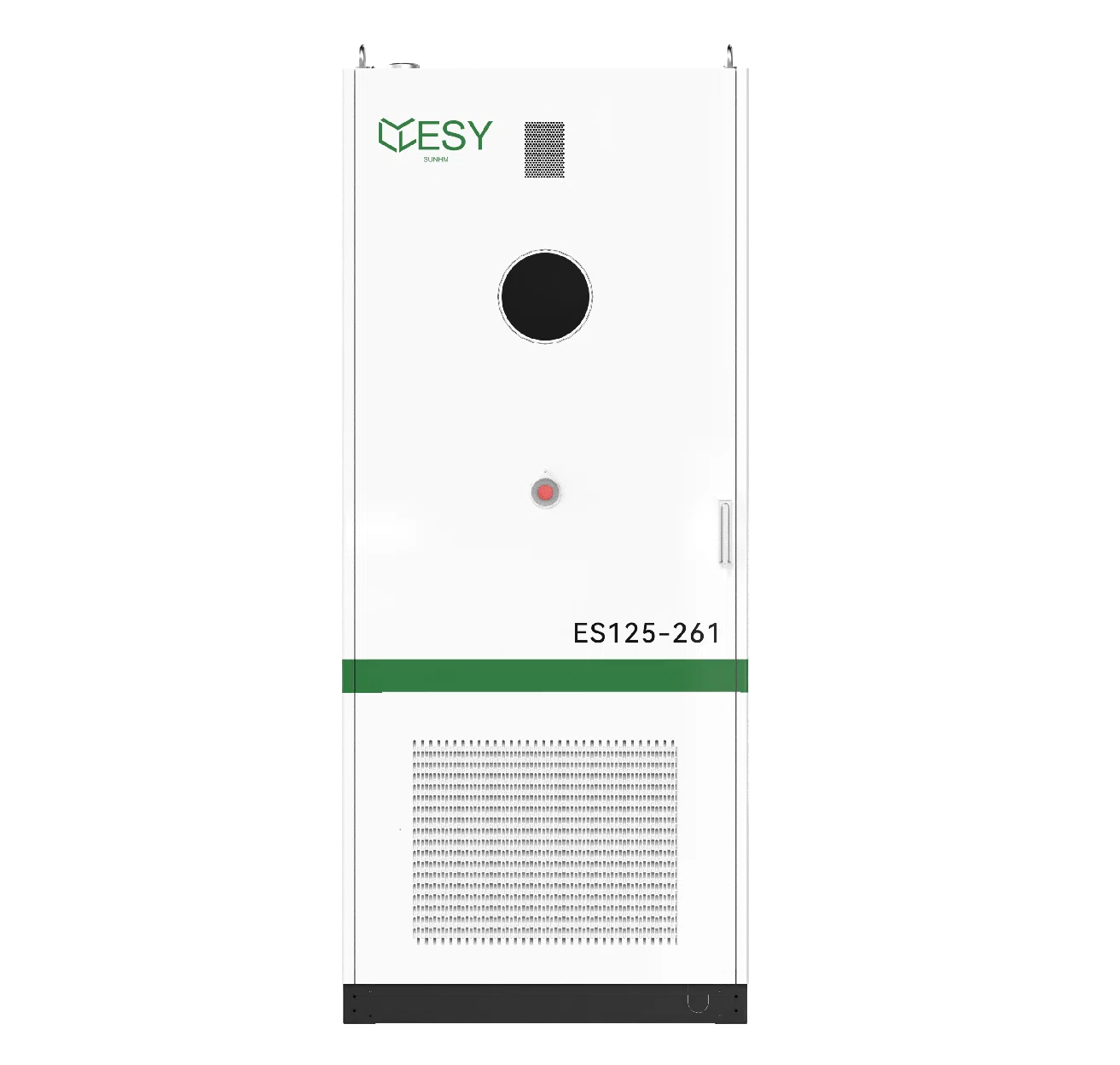
Parallel battery cabinets allow commercial and industrial (C&I) energy storage systems to expand from hundreds of kilowatt-hours to multi-megawatt-hour capacity by connecting standardized battery units together. A 261 kWh cabinet, for example, can be combined with multiple units to create larger systems without replacing existing equipment. This modular approach improves capacity planning, supports peak shaving, renewable integration, and backup power requirements while maintaining flexible installation.
Commercial and industrial electricity users are installing larger energy storage systems as electricity prices, renewable generation targets, and grid requirements continue to change. According to industry reports, global battery energy storage installations exceeded 100 GWh annually by 2023, with C&I applications becoming an important segment because businesses need storage systems that can expand over time.
A single battery cabinet has a fixed capacity limit. When a factory, hotel, or office building increases electricity consumption, replacing the original storage system is expensive and requires additional installation work. Parallel battery cabinets solve this issue by allowing additional cabinets to be added according to future demand.
A modular storage design allows companies to start with the required capacity today and increase storage size later without rebuilding the complete energy system.
The basic structure of a parallel battery cabinet system includes battery cells, battery modules, battery management systems (BMS), thermal control equipment, protection devices, and communication interfaces. Multiple cabinets connect through a shared DC system or are managed through power conversion systems (PCS) that coordinate charging and discharging.
A typical C&I cabinet may provide between 100 kWh and 300 kWh of energy capacity. For example, a system using four 261 kWh cabinets can provide approximately 1.04 MWh of storage capacity. Adding four additional cabinets increases the total capacity to more than 2 MWh while keeping the original system architecture.
The modular structure also changes how companies plan storage investment. Instead of installing a large system based on uncertain future electricity demand, businesses can expand capacity in stages. This approach is suitable for industrial facilities where production capacity may increase by 20% to 50% over several years.
Capacity expansion requires stable communication between cabinets. The BMS inside each unit monitors cell voltage, temperature, current, and state of charge (SOC). When several cabinets operate together, the control system balances output power and prevents individual units from operating outside recommended limits.
For example, if one cabinet reaches a higher SOC level than other units, the energy management system can adjust charging and discharging distribution. This improves battery utilization and helps maintain consistent performance across the entire storage system.
The main parameters considered during parallel cabinet installation include:
| Parameter | Typical Range or Requirement |
|---|---|
| Cabinet capacity | 100–300 kWh |
| System scale | Hundreds of kWh to several MWh |
| Battery chemistry | Mainly lithium iron phosphate (LFP) |
| Cycle performance | Around 5,000–8,000 cycles depending on operating conditions |
| Operating temperature | Commonly around 15–35°C |
Battery chemistry selection affects long-term operation. LFP batteries are widely used in C&I applications because they provide good thermal stability and long cycle performance. Many commercial systems are designed for daily operation over 10 years or more when operated under suitable temperature and charging conditions.
Parallel cabinets also improve system availability. If one cabinet requires maintenance, other cabinets can continue supplying energy. In a system containing eight cabinets, removing one unit for service still leaves approximately 87.5% of the original cabinet count available.
This structure is useful for facilities where continuous electricity availability is important. Manufacturing plants, cold storage facilities, data centers, and commercial buildings often require storage systems that can continue operating during equipment maintenance.
Multiple battery cabinets provide additional flexibility because capacity is distributed across several independent units rather than concentrated in one large enclosure.
Peak shaving is one of the most common C&I storage applications. Electricity providers in many regions charge businesses based on both energy consumption and peak power demand. Storage systems reduce grid power usage during high-price periods by supplying electricity from batteries.
A commercial building with a 1 MW peak demand may use a 500 kWh to 2 MWh storage system depending on its operating profile. During periods with high electricity prices, the battery can discharge to reduce grid demand. Studies from commercial storage projects between 2020 and 2024 show that demand management is one of the main reasons companies invest in behind-the-meter energy storage.
The same storage architecture supports renewable energy use. Solar generation often reaches its highest output during daytime hours, while building electricity demand may continue into evening periods. Battery cabinets store excess solar power and release it when solar production decreases.
For example, a facility with a 500 kW rooftop solar system can combine several battery cabinets to increase solar self-consumption. Instead of sending excess electricity back to the grid, stored energy can support evening lighting, HVAC systems, and equipment operation.
Parallel battery cabinets are also suitable for businesses with different expansion schedules. A warehouse may begin with a small storage installation and later add refrigeration equipment. A hotel may expand room capacity and increase electricity demand. Additional cabinets can be installed without changing the entire energy management system.
Products designed for this type of application include systems such as ESYsunhome 125kW C&I ESS, which combines cabinet-level battery management with commercial energy storage functions for industrial and commercial users.
System design must consider several technical factors before adding new cabinets. Battery voltage, communication protocols, PCS compatibility, and thermal management settings must match existing equipment. Incorrect configuration may reduce charging efficiency or create uneven cabinet operation.
A properly designed parallel system usually includes:
| Design Element | Function |
|---|---|
| BMS | Monitors battery health and operating conditions |
| EMS | Controls energy scheduling and cabinet coordination |
| PCS | Converts DC battery power to AC electricity |
| Thermal system | Maintains suitable battery temperature |
| Safety equipment | Provides protection and emergency control |
Safety monitoring becomes more important as system size increases. Larger C&I installations may contain dozens of battery cabinets and thousands of battery cells. Cabinet-level protection allows faults to be isolated more quickly compared with systems using fewer large battery units.
The economic performance of parallel battery cabinets depends on electricity prices, operating hours, installation costs, and storage usage frequency. A system used for daily peak shaving may operate hundreds of cycles per year, while backup power systems may operate less frequently but provide additional energy security.
From 2021 to 2025, many commercial storage projects shifted toward modular designs because businesses wanted systems that could match changing electricity demand. A scalable cabinet architecture reduces the need for oversizing and provides more flexibility for future upgrades.
Parallel battery cabinets provide a practical method for expanding C&I storage capacity. By combining standardized units, companies can increase energy capacity from several hundred kilowatt-hours to multi-megawatt-hour levels while maintaining easier installation, maintenance, and system management. This approach fits factories, hotels, office buildings, and other commercial facilities that need storage systems capable of growing with their electricity requirements.
Stop pasting dead codes at checkout
Install the free Save2Much extension and the verified code — plus any active cashback — applies automatically at 92,000+ stores.
Start Saving Now — It's Free or browse cashback stores